
Beyond the Logo: Transforming Your LinkedIn Company Page into a Trust Platform

For years, many organizations viewed their LinkedIn company page as a digital placeholder, a necessary spot to park a logo so employees could link to it on their profiles. It was often a "broadcast-only" channel where content was posted with little expectation of engagement.
However, LinkedIn is currently executing a major shift. Company pages are being redesigned as centers for competitive intelligence and trust-based selling. Whether you are using a free page or investing in a premium subscription, the platform now offers tools to track competitors, identify visitors, and move beyond the old "post and pray" mindset.
The Shift from Broadcasting to "Trust Platforms"
Algorithm experts, including Richard van der Blom, have noted that while organic reach for traditional "broadcasting" is declining, the value of company pages as trust platforms is rising.
A trust platform does more than push white papers; it:
- Amplifies employee voices: Using the company page to spotlight the expertise...
How to Build Trust-Based Conversations with LinkedIn and AI

In a digital landscape crowded with automated "blasts" and shallow networking, the most effective way to do business remains the most human way: trust. While many see AI as a tool for speed, its true power lies in helping you scale your unique insights without losing your soul.
Starting trust-based conversations requires an intentional shift toward creating a safe, empathetic environment. When you lead with curiosity and transparency, you build a foundation for productive relationships that traditional "salesy" tactics simply cannot achieve.
The Framework: 7 Pillars of Trust in Sales
To move away from "engineered empathy" and toward genuine connection, sales professionals should align their LinkedIn and AI strategies with these seven core principles:
1. Reliability: Consistency is Key
Reliability isn't just about showing up; it’s about the accuracy and impact of what you share. Your audience should know that when they click on your content, they will receive value without a hidden pit...
Mastering the LinkedIn Flywheel: How to Build Sustainable Social Selling Momentum

The "flywheel effect" in social selling is a strategic approach where consistent, intentional actions build upon one another to create unstoppable momentum. Rather than viewing a LinkedIn post as a one-off event, successful sellers treat it as a component of a larger engine designed to capture and retain buyer interest. By focusing on resonance, proactive engagement, and community building, you can move from shouting into the void to leading a thriving professional network.
1. Create Content That Resonates and Sparks Curiosity
To get the flywheel moving, your content must serve as a "scroll-stopper". In a noisy feed filled with ads and irrelevant updates, your audience needs to immediately recognize that a post is for them based on its title or industry.
Effective social selling content should achieve five goals:
Resonate: Address specific buyer challenges so they feel seen.
Create Curiosity: Give them a reason to click "See more".
Teach: Provide a new perspective that differentiat...
Strategic LinkedIn List Building: How to Turn Connections into Conversations
Building a high-quality pipeline on LinkedIn isn't about collecting thousands of random followers; it’s about strategically identifying and nurturing the right relationships. Many professionals overlook the goldmine already sitting in their first-degree connections or fail to use advanced search filters to find warm introductions. By shifting from "net new" prospecting to a referral-based approach, you can start more conversations without the friction of cold outreach .
Start With Your Internal Goldmine: The First-Degree Audit
The most common mistake on LinkedIn is failing to take inventory of the people you are already connected to. These individuals have already agreed to be in your network, yet they are often the most ignored .
To begin, use the "All Filters" search on LinkedIn to filter your first-degree connections by your Ideal Client Profile (ICP), such as specific industries or geographic locations. Once identified, reach out with a personal, non-generic message. A high...
5 Strategic Steps to Drive Real Engagement on LinkedIn
In the world of social selling, there is a common frustration: you spend hours crafting a post only to be met with silence, or perhaps a handful of "pity likes" from the same three colleagues . The hard truth is that building content does not guarantee an audience. To get consistent engagement, you must move beyond the "post and pray" mentality and adopt a proactive, human-centered strategy .
Getting engagement takes work. It requires a shift from broadcasting to inviting. By following these five steps, you can ensure your content reaches the right people at the right time in their buying journey .
1. Content Alignment: Solve, Don't Sell
The first mistake many professionals make is sharing content they want people to know, like case studies or product features, rather than content the audience actually wants to consume .
To fix this, identify the challenges your prospects face and the internal questions they are asking long before they are ready for a solution . If you talk ab...
10 LinkedIn Activities to Kickstart Your 2026 Sales Strategy
As we enter 2026, the key to social selling success is integrating LinkedIn into your existing daily workflow rather than treating it as a "mental add-on" . By blocking time on your calendar and being intentional with your actions, you can turn the platform into a sustainable engine for relationship building and sales conversations .
1. Re-anchor Your Profile Around Value
Your profile is the foundation of your professional brand . At the start of the year, ensure your headline clearly communicates your value proposition in 220 characters or less . Your "About" section should speak directly to who you serve, the problems you solve, and the results clients can expect . Review this quarterly to ensure it aligns with your evolving goals .
2. Warm Up Your Existing Network
Before chasing new leads, focus on your first-degree connections . Visit three to five profiles daily to appear in their "Who’s Viewed Your Profile" notifications . If they have posted within the last two weeks, like...
8 Stages for a Successful Social Selling Program Rollout
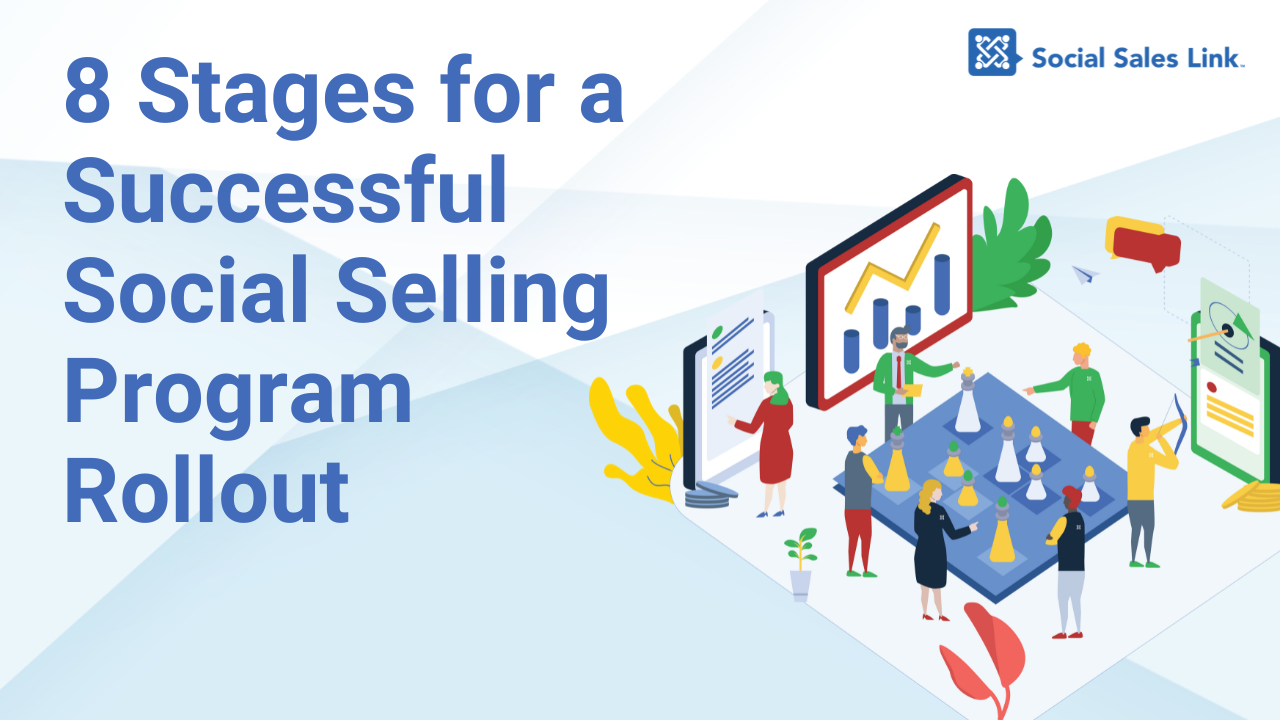
Many organizations invest heavily in Sales Navigator licenses only to see them sit idle or be used inefficiently. The mistake is often treating a tool or a single training session as a complete solution. To drive real behavior change and ROI, companies must follow a structured eight-stage rollout that prioritizes strategy and preparation before tools are even opened.
1. Establish Goals and KPIs
Before rolling out any program, align social selling activities with existing sales goals. While most leaders track calls and appointments, few bridge the gap to social activities. Identify which LinkedIn or Sales Navigator behaviors drive your specific monthly or quarterly targets and ensure these are measured directly within your CRM.
2. Strategic Buyer Mapping
Buyer mapping is more than just identifying a target; it is about territory management and account-based sales. Teams must understand how to map both accounts and the 6–8 decision-makers typically involved in complex deals. Th...
The Strategic Shift: From Cold Outreach to Social Proximity

Many professionals treat LinkedIn as a digital cold-calling machine, focusing on high-volume "lead gen" that often alienates potential clients. To succeed in the modern sales environment, you must shift your mindset toward social proximity. This means identifying existing connections, shared experiences, or mutual communities that turn a cold touch into a warm entry point.
Warming Up the Event Industry
For speakers and trainers, the most effective path to a decision-maker is not through a generic pitch to an event planner, but through the fellow speaker connection. By reaching out to individuals who spoke at a target conference in previous years, you can ask for a favor: a brief conversation about their experience. This builds rapport with a peer who is often willing to provide a warm introduction to the person who booked them, significantly increasing your chances of securing the deal.
Leveraging Benchmark Studies for Sponsors
When seeking podcast or event sponsors, avoid the...
The Ultimate Guide to LinkedIn Conversations That Convert: From Connect-and-Pitch to Trust and Credibility
We have all been the victim of connect and pitch. You know the schtick: “I love your mission/profile/post/etc. and would like to connect…” Then, boom, the message: “Great to be connected. We help companies just like you…” Ick. If we don’t want to be the victim, we definitely don’t want to be the victimized.
Leveraging LinkedIn effectively requires more than cold connecting to a list of prospects that have no idea who you are or the value you bring. Success professionals know that a key to success is slowing down their outreach to speed up the outcome. It’s about detaching from what the prospect is worth to you and attaching to what you are worth to the prospect. It comes down to earning the right to engage in the conversation by bringing value and insights that are meaningful to your prospects.
This guide is designed to empower you with strategies that promote genuine engagement with your target audience, helping you navigate the intricacies of conversation on LinkedIn. By blending t...
How the Flywheel Effect Drives LinkedIn Content Success
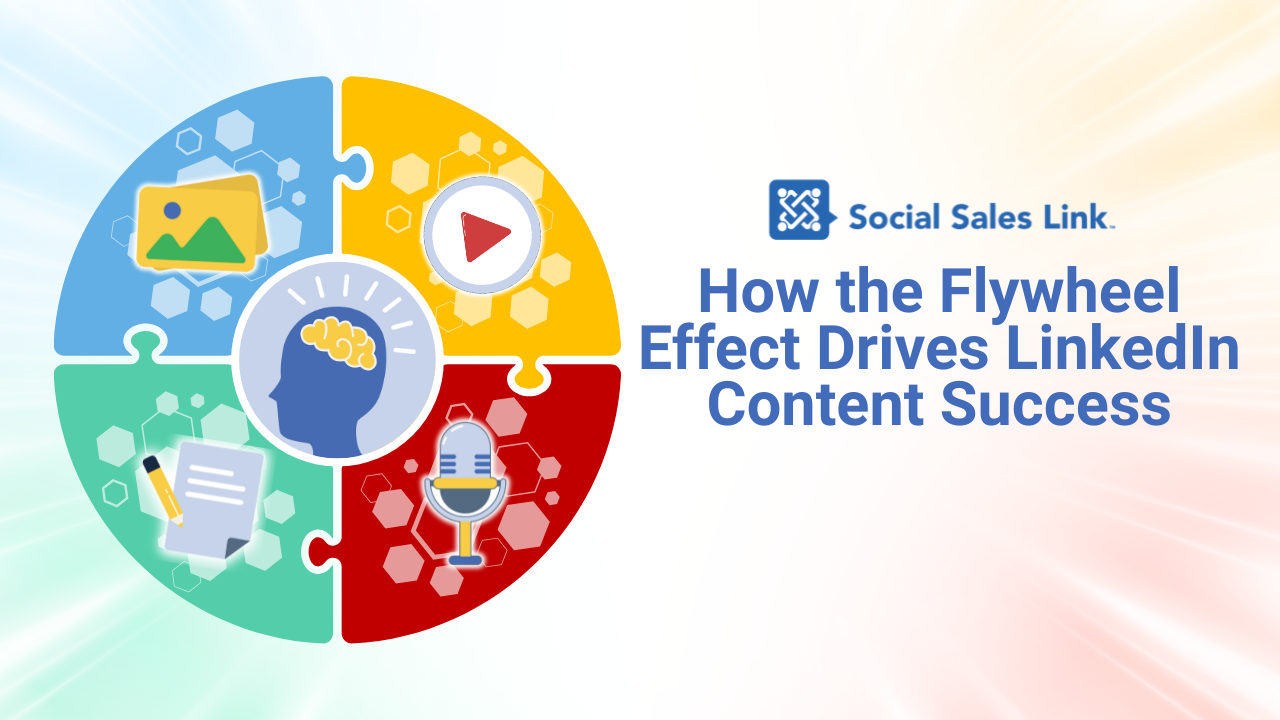
Creating successful content on LinkedIn involves much more than simply crafting engaging posts. Especially for revenue-driven professionals, it’s essential to understand that building momentum is key to capturing and retaining interest. This is where the flywheel concept comes into play, embodying a strategic approach to content creation and engagement that can lead to sustainable success.
The flywheel effect represents a cycle where each action contributes to the momentum of the next. When you combine compelling content, thoughtful engagement, and effective follow-up, your efforts gather traction and begin to instigate a positive ripple effect throughout your network and beyond. This synergy amplifies your content’s reach and impact, positioning you as a notable thought leader within your industry.
The Flywheel Picks up Speed When Your Content Accomplishes Five Objectives:
1. It Has to Resonate and Spark Curiosity
The first step toward driving success is ensuring that your content...